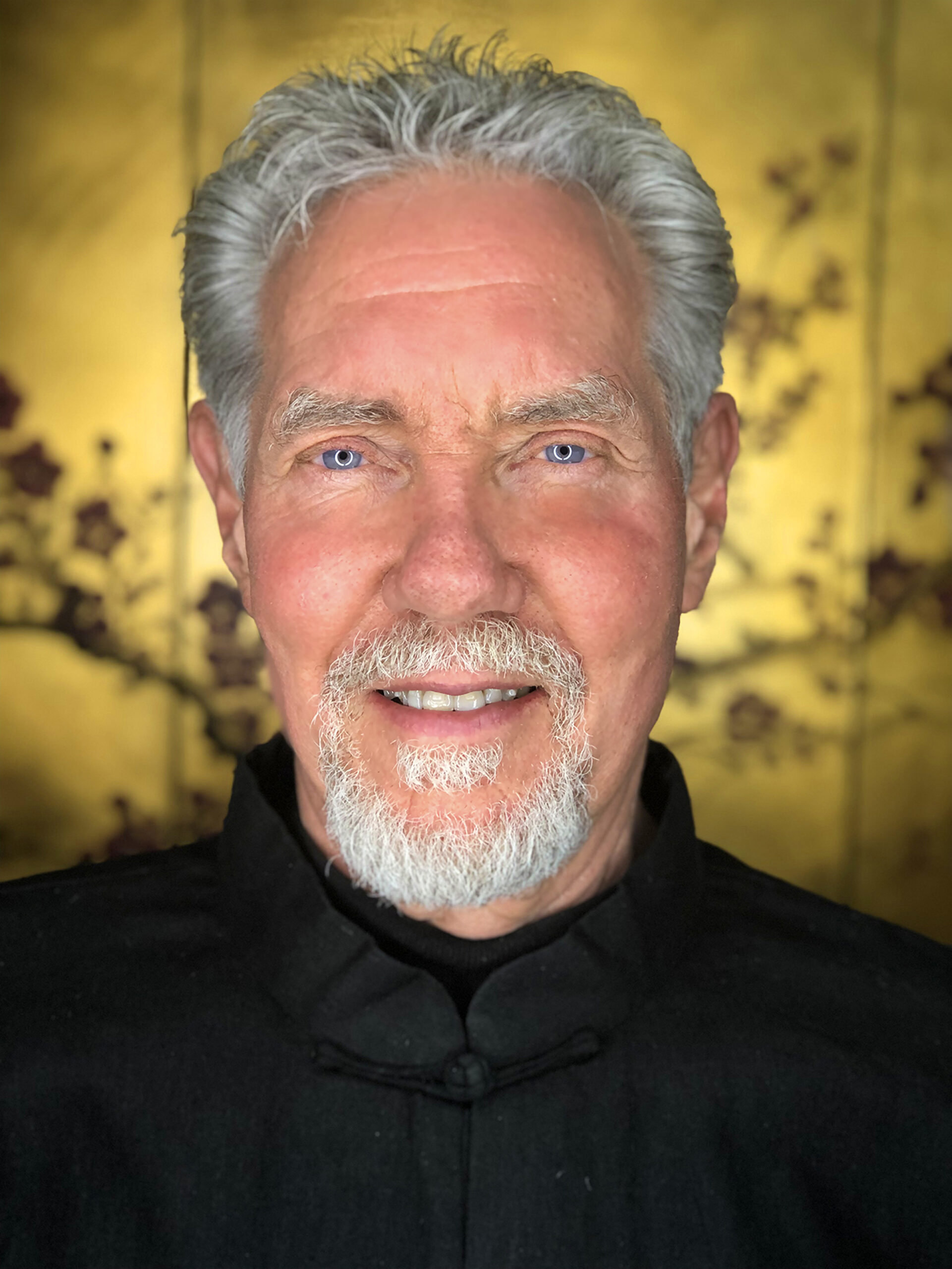
The Healing Promise of Qi: The Ten Phases of Qi Cultivation

Presented by:

Numerous forms of Qigong consciously focus on internal alchemy, the cultivation of the Three Treasures: Jing, Qi, and Shen. Drawing on 40 years of clinical practice in Chinese Medicine and ten research and study trips to China, Dr. Jahnke has distilled diverse Qigong traditions, Shamanic, Daoist, Buddhist, Confucian, and contemporary, into an integrated system: the Ten Phases of Qi Cultivation and Mastery. In this engaging workshop, he will present the theoretical foundations, clinical applications, and experiential practices of these ten phases of internal alchemy. Participants will explore Body-level (Jing) practices such as discovering, gathering, and circulating qi; Heart–Mind (Qi) practices including purifying, directing, and conserving qi; and Spirit-level (Shen) practices such as storing, transforming, and dissolving qi—culminating in the principles of qi transmission. This progression offers a clear and practical pathway for cultivating vitality, refining awareness, and integrating internal alchemy into both personal practice and clinical care.
Course Participant Attestation

I understand that the information in this course presented by the Provider and/or Instructor(s) is for educational purposes only and should only be applied with appropriate clinical judgment and used by a trained and licensed practitioner. Governmental laws and regulations vary from region to region and the contents of this course vary in permissible usage. The participant is required to check their local, state, and federal laws and regulations regarding the practice requirements and scope of practice issues and the use of the information of this course including, but not limited to, theory, herbal medicine, and acupuncture. I acknowledge that NCBAHM does not endorse any specific treatment regimens of any kind. Furthermore, if I use any modalities or treatments taught in this course, I agree to waive, release, indemnify, discharge, and covenant not to sue NCBAHM from and against any liability, claims, demands, or causes of action whatsoever, arising out of any injury, loss, or damage that a person may sustain related to the use of the information in this course. I understand that this Release is governed by the laws of District of Columbia, U.S.A. and shall survive the termination or expiration of this course.

More on This Day

07:00 am - 08:00 am

CEU(s): 1

Dao Dan Pai Qi Gong exercises are a series of standing exercises that harmonize and balance the major energy channels of the body. This series of exercises was first taught in the West by Taoist Master Share K. Lew, a Taoist monk from the Yellow Dragon Temple in the Lo Fo Shan mountains of Guangzhou, China. It integrates movement with breath and posture to activate and balance qi flow.

Read More

09:00 am - 10:00 am

CEU(s): 1

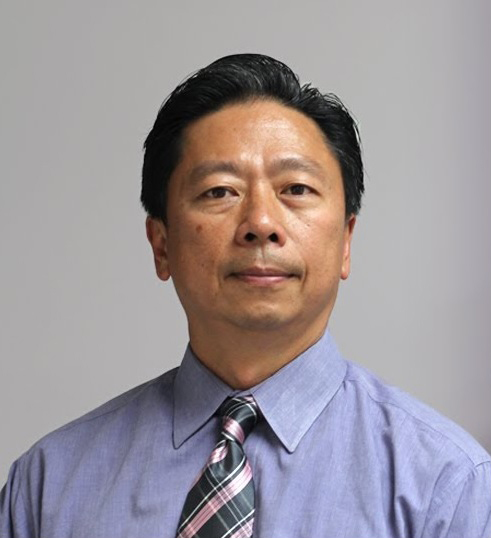
Although Chinese medicine practitioners are primary healthcare providers in some states, Chinese medicine is still classified as CAM (complementary and alternative medicine) by the Western healthcare establishment. We sometimes see patients only after Western medicine has failed to deliver satisfactory results, such as when, for instance, drug treatment results in too many side effects, adverse reactions, or simply does not achieve the desired results. John Chen, doctor of Pharmacy and Oriental medicine and internationally recognized authority on Chinese herbs and western pharmaceuticals, will relate the history and current state of pharmacology and Chinese herbal treatments and the relationship between them.

Read More

10:00 am - 11:00 am

CEU(s): 1

Across cultures and long before written history, traditions of healing, personal transformation, and even the pursuit of immortality have taken shape. Within early Chinese traditions, these ideas evolved into the paradigm of the Three Treasures: Jing, Qi, and Shen, and the ideal of integrating body, breath, and mindful awareness to cultivate profound inner “elixirs.” This all began more than 100,000 years ago, in the context that the human race has existed for over 2 million years and has refined constantly through the millennia. In modern times, emerging scientific research increasingly affirms the relevance and benefits of cultivating the Three Treasures. Practitioners of Chinese Medicine, in many ways, are also practitioners of Taiji and Qigong. They carry this tradition forward through personal cultivation, the integration of these principles into clinical practice, and the guidance they offer patients. Whether through movement instruction, breathwork, or discussion of Qigong and Taiji principles during treatment, or cases where practitioners help patients engage practices tailored to their unique constitutions and conditions. Through movement, breath, clinical insight, or patient instruction, these traditions continue to evolve—transforming ancient practices into living medicine for the modern world.

Read More

11:00 am - 12:00 pm

CEU(s): 1

Let’s admit it, we don’t really think acupressure is as effective as acupuncture, do we?  Dr. Claudia Citkovitz, a longtime clinician whose groundbreaking clinical research includes individualized care using both, will discuss a large and growing body of research on the topic. Both research and clinical experience underscore the profound impact that can result from acupressure and can provide novel insights regarding use in pain management and cervical dilatation in labor (spoiler alert: LI-4 vs. SP-6); yin and yang approaches to fatigue; the utility of patient-facing acupressure apps; and a simple, non-invasive approach to gynecological qi and blood stasis among other uses. The value of acupressure in addition to direct clinical effectiveness can be that it's even more useful considering that it’s less expensive, more accessible, not invasive, has fewer side effects, and can empower patients to participate more in their own healing.

Read More

12:10 pm - 1:10 pm

CEU(s): 1

Dao Dan Pai Qi Gong exercises are a series of standing exercises that harmonize and balance the major energy channels of the body. This series of exercises was first taught in the West by Taoist Master Share K. Lew, a Taoist monk from the Yellow Dragon Temple in the Lo Fo Shan mountains of Guangzhou, China. It integrates movement with breath and posture to activate and balance qi flow.

Read More

2:00 pm - 5:00 pm

CEU(s): 3

Holly Guzman takes attendees through anxiety and digestion cases, with demonstrations from intake to diagnosis to treatment planning and techniques, sharing key clinical insights from her breadth of experience. Too often, the process of our education is theoretical, lacking real, live context; or hands-on, but without enough understanding for optimal education. This workshop allows students to gain clinical information and deepen their understanding and inspiration through exploration of real-life cases.

Read More

2:00 pm - 5:00 pm

CEU(s): 3

In clinical practice, illness reveals itself through patterns: the season when symptoms first arise, the patient’s narrative, and the visible signs of imbalance in the body. Classical Chinese medicine understands physiology through relationships in time and space, where the movement of yin and yang between heaven, earth, and humanity unfolds through the seasons and phases; the six confirmations; the eight trigrams; the twelve tidal hexagrams; and the twelve organ networks. Drawing on the ancient framework of the twelve tidal hexagrams, we will examine how the cyclical movements of yin and yang illuminate the rhythms of the organ systems and the emergence of disease. Through clinical examples and practical discussion, participants will explore how this classical lens can inform diagnosis, guide treatment strategy, and reveal underlying physiological patterns that may otherwise be overlooked. Recognizing classical correspondences can sharpen clinical observation, deepen pattern differentiation, and lead to a treatment plan more specifically suited to the patient. By reconnecting with these early symbolic maps of Chinese medicine, practitioners can refine their ability to perceive imbalance and engage the body’s natural capacity for restoration, allowing us to engage the inherent vitality in every patient and restore physiology where it has been lost.

Read More

2:00 pm - 5:00 pm

CEU(s): 3

This class explores evidence-informed herbal alternatives to commonly prescribed analgesics and antibiotics. Although Chinese medicine practitioners are primary healthcare providers in some states, Chinese medicine is still generally classified as complementary and alternative medicine (CAM) within the Western healthcare system. As a result, practitioners often see patients after conventional treatments have failed to produce satisfactory outcomes, whether due to insufficient therapeutic effect, adverse reactions, or unacceptable side effects. Dr. John Chen, an internationally recognized herbalist, pharmacist, educator, and expert in Chinese herbal pharmacology, will examine the comparative advantages and safety considerations for pharmaceuticals and Chinese herbal medicine in the treatment of pain and bacterial infections. Drawing on decades of clinical, academic, and research experience, Dr. Chen will emphasize adverse effects, herb–drug interactions, and practical risk management strategies. Participants will gain practical clinical insights that will aid in determining when herbal therapy, pharmaceutical intervention, or an integrative approach may be most appropriate. The goal is to support practitioners in achieving optimal therapeutic outcomes while minimizing unwanted side effects.

Read More

2:00 pm - 5:00 pm

CEU(s): 3

Numerous forms of Qigong consciously focus on internal alchemy, the cultivation of the Three Treasures: Jing, Qi, and Shen. Drawing on 40 years of clinical practice in Chinese Medicine and ten research and study trips to China, Dr. Jahnke has distilled diverse Qigong traditions, Shamanic, Daoist, Buddhist, Confucian, and contemporary, into an integrated system: the Ten Phases of Qi Cultivation and Mastery. In this engaging workshop, he will present the theoretical foundations, clinical applications, and experiential practices of these ten phases of internal alchemy. Participants will explore Body-level (Jing) practices such as discovering, gathering, and circulating qi; Heart–Mind (Qi) practices including purifying, directing, and conserving qi; and Spirit-level (Shen) practices such as storing, transforming, and dissolving qi—culminating in the principles of qi transmission. This progression offers a clear and practical pathway for cultivating vitality, refining awareness, and integrating internal alchemy into both personal practice and clinical care.
Read More

2:00 pm - 5:00 pm

CEU(s): 3

In this 3-hour hands-on workshop, Dr. Citkovitz presents a practical handbook of self-acupressure, simple qigong movements, and other elements of East Asian lifestyle medicine to help practitioners better support patients across the full spectrum of women’s health. The workshop will explore concerns ranging from menstrual cycles marked by blood stasis or deficiency to subfertility, postpartum challenges such as pain and incontinence, the many faces of menopause, and the genitourinary, musculoskeletal, and cognitive changes that accompany aging. Acupuncture, moxibustion, bodywork, and herbal medicine are powerful tools that practitioners can apply and teach to support symptom management and long-term women’s health. In the context of today’s acupuncture channels, impacts of aging, and environment of digital distraction and constant judgment, many patients are deeply in need of ways to reconnect with and care for their physical bodies. Simple self-care practices can restore this connection while reinforcing the therapeutic work done in the clinic. Emerging research is also shedding light on the central role of fascia in human health, as well as its relationship to aging and acupuncture channels. Participants will learn accessible techniques for gathering the shen and cultivating qi that support practitioners’ own health, which are also easy to teach to patients. These practices help moisturize and revitalize the fascia while serving as meaningful self-care rituals that extend the benefits of clinical treatment between visits. Over time, consistent self-care can also help rebuild pathways of self-reliance and self-efficacy—qualities that are often eroded by the fragmented attention and pressures of modern life.

Read More
0
    0
    Your Cart
    Your cart is emptyReturn to Shop