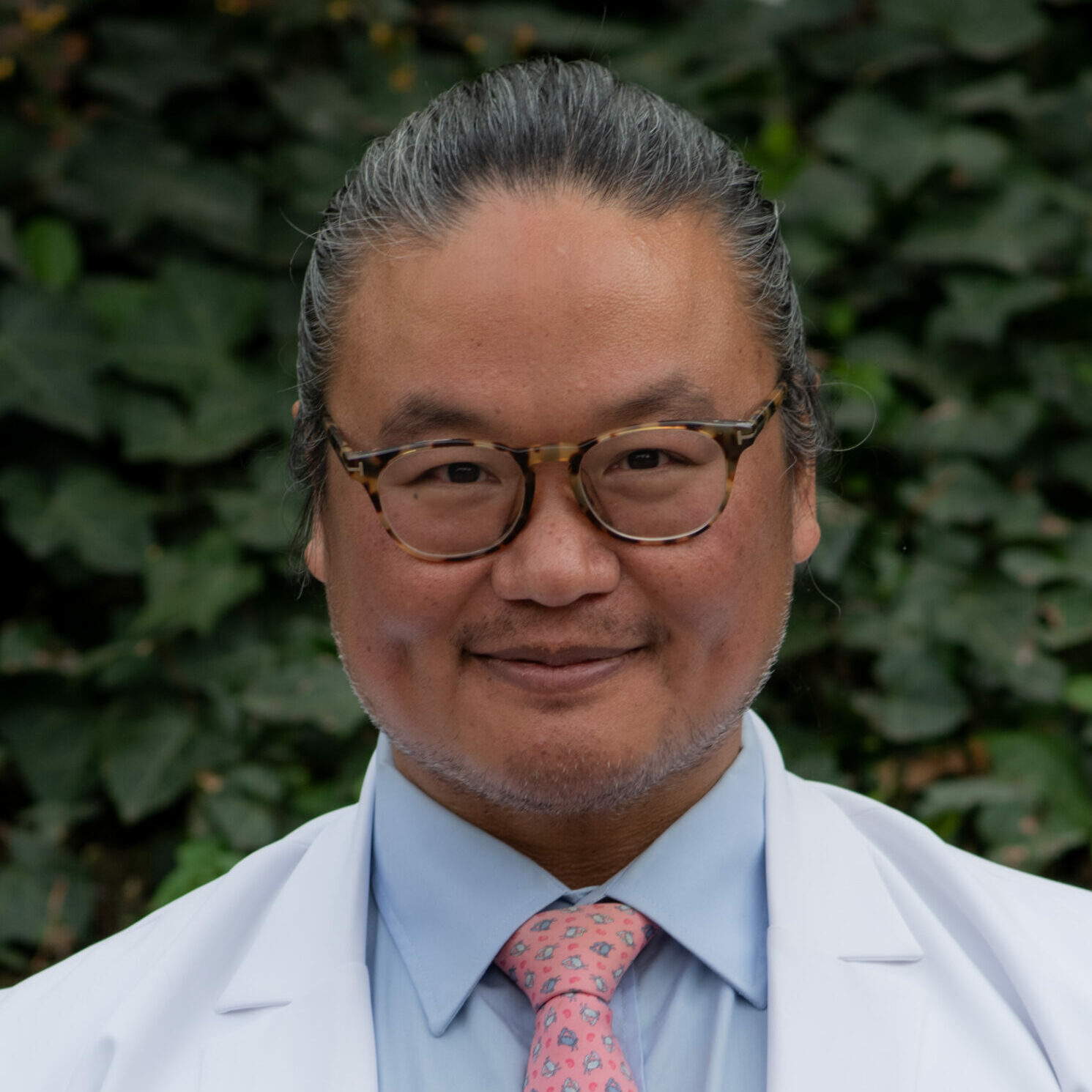
Vertigo and tinnitus are commonly seen in clinical practice, yet are often complex and frustratingly difficult to treat successfully. These conditions are frequently attributed to structures of the ear, but this course expands the lens to examine the critical role of brain neurology—particularly deeper brain centers—as key drivers. Drawing from both Western and Chinese medical frameworks, this course explores a wide range of contributing factors, including concussion, cranial structural dynamics, skull flexibility, and the effects of overwork. An in-depth review of the vestibular system is paired with a reexamination of Chinese medicine patterns that move beyond conventional “liver wind” models and simplistic distinctions such as high-pitch versus low-pitch tinnitus. Participants will gain a deeper understanding of concepts such as the Sea of Marrow and their clinical relevance in shaping treatment strategy. Hands-on and diagnostic skills will include palpation of the skull and assessment of cranial dynamics, allowing practitioners to identify physical patterns that align with modern neurological understanding. Treatment approaches will include auricular acupuncture and strategies to address the neurological components of vertigo and tinnitus. Emphasis will be placed on individualized diagnosis, improving clinical outcomes, and recognizing patient vulnerability patterns to support longer-term management, including lifestyle considerations, for superior clinical results and prevention.