Neck and Shoulder Pain

Presented by:

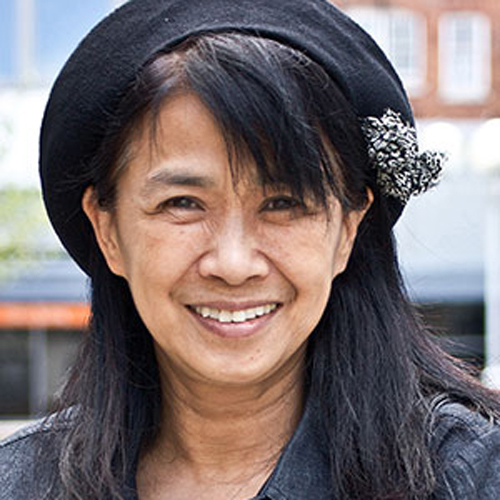
In this focused introductory session, Kiiko Matsumoto presents the foundational principles of Kiiko Matsumoto Style (KMS), a clinically-driven system of acupuncture rooted in palpation, immediate feedback, and functional diagnosis. Participants will be introduced to the core diagnostic method of KMS: identifying reflex zones on the neck and shoulder that correspond to systemic imbalances and pain patterns. Through demonstration and guided exploration, attendees will learn how areas such as the SCM and channel-based reflexes reveal underlying dysfunctions including immune stress, hormonal imbalance, and structural issues. Designed for both new and experienced practitioners, this lecture-demonstration offers a clear entry point into a style of acupuncture that prioritizes clinical precision, responsiveness, and reproducibility.

Course Participant Attestation

I understand that the information in this course presented by the Provider and/or Instructor(s) is for educational purposes only and should only be applied with appropriate clinical judgment and used by a trained and licensed practitioner. Governmental laws and regulations vary from region to region and the contents of this course vary in permissible usage. The participant is required to check their local, state, and federal laws and regulations regarding the practice requirements and scope of practice issues and the use of the information of this course including, but not limited to, theory, herbal medicine, and acupuncture. I acknowledge that NCBAHM does not endorse any specific treatment regimens of any kind. Furthermore, if I use any modalities or treatments taught in this course, I agree to waive, release, indemnify, discharge, and covenant not to sue NCBAHM from and against any liability, claims, demands, or causes of action whatsoever, arising out of any injury, loss, or damage that a person may sustain related to the use of the information in this course. I understand that this Release is governed by the laws of District of Columbia, U.S.A. and shall survive the termination or expiration of this course.

More on This Day

07:00 am - 08:00 am

CEU(s): 1

Dao Dan Pai Qi Gong exercises are a series of standing exercises that harmonize and balance the major energy channels of the body. This series of exercises was first taught in the West by Taoist Master Share K. Lew, a Taoist monk from the Yellow Dragon Temple in the Lo Fo Shan mountains of Guangzhou, China. It integrates movement with breath and posture to activate and balance qi flow.

Read More

09:00 am - 10:00 am

CEU(s): 1

Dizziness is not just about “wind”. This course presents a clinically-grounded approach to dizziness through the integration of Chinese medicine and Western neurological frameworks based on Dr. Shiu’s extensive knowledge and experience. Emphasis will be placed on autonomic nervous system reflexes including vestibular function and vagus nerve involvement, as well as their relationship to concerns like gallbladder system malfunction and blood stasis. Participants will gain practical tools for differential diagnosis and targeted point selection based on underlying mechanisms. Dizziness is not just about “wind”. This course presents a clinically-grounded approach to dizziness through the integration of Chinese medicine and Western neurological frameworks based on Dr. Shiu’s extensive knowledge and experience. Emphasis will be placed on autonomic nervous system reflexes including vestibular function and vagus nerve involvement, as well as their relationship to concerns like gallbladder system malfunction and blood stasis. Participants will gain practical tools for differential diagnosis and targeted point selection based on underlying mechanisms.

Read More

10:00 am - 11:00 am

CEU(s): 1

When life throws you a curveball, you can let it derail you or you can make the most of a bad situation. Whether it’s recovery from chronic illness, surgery, or an accident, we need to access resources for healing to “come back”. The 8 Extras can help us to access the resources, awareness, and will to move through the worst of times with clarity, purpose, and authenticity. Learn how this system can support resilience and help us find meaning in tough times.

Read More

10:00 am - 12:00 pm

CEU(s): 2

In this focused introductory session, Kiiko Matsumoto presents the foundational principles of Kiiko Matsumoto Style (KMS), a clinically-driven system of acupuncture rooted in palpation, immediate feedback, and functional diagnosis. Participants will be introduced to the core diagnostic method of KMS: identifying reflex zones on the neck and shoulder that correspond to systemic imbalances and pain patterns. Through demonstration and guided exploration, attendees will learn how areas such as the SCM and channel-based reflexes reveal underlying dysfunctions including immune stress, hormonal imbalance, and structural issues. Designed for both new and experienced practitioners, this lecture-demonstration offers a clear entry point into a style of acupuncture that prioritizes clinical precision, responsiveness, and reproducibility.

Read More

11:00 am - 12:00 pm

CEU(s): 1

Transforming healthcare is no longer a theoretical goal: it is an operational necessity. Many well-intentioned efforts stall, however, when they encounter the realities of complex systems, entrenched cultures, and competing priorities. This session moves beyond vision to implementation, offering a clear, experience-based roadmap for meaningful change. Drawing on large-scale transformation work within the Veterans Health Administration’s Whole Health System, this session examines what it actually takes to shift from a disease-centered model to one that prioritizes whole-person care. Participants will explore practical strategies for redesigning care delivery, engaging clinicians and staff, aligning leadership, and integrating complementary approaches within conventional settings. Gaudet addresses some of the most common obstacles to transformation: resistance to change, siloed structures, misaligned incentives, workforce burnout, and lack of measurable outcomes. Through real-world examples, participants learn how these barriers show up in practice and, more importantly, how to overcome them using tested approaches, including phased implementation, culture change strategies, stakeholder engagement, and meaningful metrics. By the end of the session, participants will be able to identify concrete steps they can take within their own organizations—whether large systems, educational programs, or clinical practices—to begin or advance transformation efforts immediately.

Read More

12:10 pm - 1:10 pm

CEU(s): 1

Dao Dan Pai Qi Gong exercises are a series of standing exercises that harmonize and balance the major energy channels of the body. This series of exercises was first taught in the West by Taoist Master Share K. Lew, a Taoist monk from the Yellow Dragon Temple in the Lo Fo Shan mountains of Guangzhou, China. It integrates movement with breath and posture to activate and balance qi flow.

Read More

2:00 pm - 5:00 pm

CEU(s): 3

Transforming healthcare is no longer a theoretical goal: it is an operational necessity. Many well-intentioned efforts stall, however, when they encounter the realities of complex systems, entrenched cultures, and competing priorities. This session moves beyond vision to implementation, offering a clear, experience-based roadmap for meaningful change. Drawing on large-scale transformation work within the Veterans Health Administration’s Whole Health System, this session examines what it actually takes to shift from a disease-centered model to one that prioritizes whole-person care. Participants will explore practical strategies for redesigning care delivery, engaging clinicians and staff, aligning leadership, and integrating complementary approaches within conventional settings. Gaudet addresses some of the most common obstacles to transformation: resistance to change, siloed structures, misaligned incentives, workforce burnout, and lack of measurable outcomes. Through real-world examples, participants learn how these barriers show up in practice and, more importantly, how to overcome them using tested approaches, including phased implementation, culture change strategies, stakeholder engagement, and meaningful metrics. By the end of the session, participants will be able to identify concrete steps they can take within their own organizations—whether large systems, educational programs, or clinical practices—to begin or advance transformation efforts immediately.

Read More

2:00 pm - 5:00 pm

CEU(s): 3

In this extended hands-on workshop on treating neck and shoulder pain, Kiiko Matsumoto guides participants through advanced applications of Kiiko Matsumoto Style Acupuncture, focusing on the integration of palpatory diagnosis with effective, immediately testable treatment strategies featuring clinical pearls drawn from decades of practice and lineage teachings. Attendance of part 1 is not required to participate in part 2. Building on foundational concepts, this course explores how to translate reflex findings into precise clinical interventions, with an emphasis on commonly encountered conditions such as shoulder pain, posterior neck disorders, sinus congestion, and systemic imbalances. Participants will learn how to evaluate and treat shoulder pain using the biceps/LI-15 reflex and channel-based strategies and to apply neck diagnostic zones (C2–C7) to address issues such as sinus congestion, allergies, and neurological symptoms. The importance of the small intestine channel in the aging process will be explored. Live demonstration-based case studies will use distal and contralateral needling strategies to release local pain, integrate Five Phase point selection (Fire, Metal, Water) in a palpation-responsive framework, and address complex patterns such as immune dysfunction, hormonal imbalance, and “oketsu” (blood stasis) through abdominal and channel reflexes.

Read More

2:00 pm - 5:00 pm

CEU(s): 3

Transforming healthcare is no longer a theoretical goal. It is an operational necessity. Many well-intentioned efforts stall, however, when they encounter the realities of complex systems, entrenched cultures, and competing priorities. This session moves beyond vision to implementation, offering a clear, experience-based path and process for meaningful change. Drawing on large-scale transformation work within the Veterans Health Administration’s Whole Health System, this session examines what it actually takes to shift from a disease-centered model to one that prioritizes empowering and equipping people to address all aspects of their health and well-being.  Participants will explore practical strategies for redesigning care delivery, engaging clinicians and staff, aligning leadership, and integrating complementary approaches within conventional settings. Gaudet addresses some of the most common obstacles to transformation: resistance to change, siloed structures, misaligned incentives, workforce burnout, and lack of measurable outcomes. Through real-world examples, participants learn how these barriers show up in practice and, more importantly, how to overcome them using tested approaches, including phased implementation, culture change strategies, stakeholder engagement, and meaningful metrics. By the end of the session, participants will be able to identify concrete steps they can take within their own organizations—whether large systems, educational programs, or clinical practices.

Read More

2:00 pm - 5:00 pm

CEU(s): 3

Vertigo and tinnitus are commonly seen in clinical practice, yet are often complex and frustratingly difficult to treat successfully. These conditions are frequently attributed to structures of the ear, but this course expands the lens to examine the critical role of brain neurology—particularly deeper brain centers—as key drivers. Drawing from both Western and Chinese medical frameworks, this course explores a wide range of contributing factors, including concussion, cranial structural dynamics, skull flexibility, and the effects of overwork. An in-depth review of the vestibular system is paired with a reexamination of Chinese medicine patterns that move beyond conventional “liver wind” models and simplistic distinctions such as high-pitch versus low-pitch tinnitus. Participants will gain a deeper understanding of concepts such as the Sea of Marrow and their clinical relevance in shaping treatment strategy. Hands-on and diagnostic skills will include palpation of the skull and assessment of cranial dynamics, allowing practitioners to identify physical patterns that align with modern neurological understanding. Treatment approaches will include auricular acupuncture and strategies to address the neurological components of vertigo and tinnitus. Emphasis will be placed on individualized diagnosis, improving clinical outcomes, and recognizing patient vulnerability patterns to support longer-term management, including lifestyle considerations, for superior clinical results and prevention.

Read More
1
    1
    Your Cart
    2026 Main Conference Pass (Thur-Sun) Remove