Decoding Jing Essence: The Foundation of the Body’s Innate Capacity to Heal Itself

Presented by:

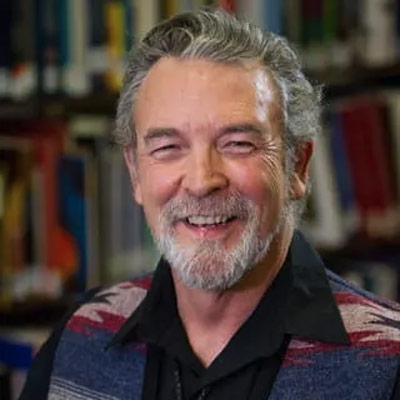
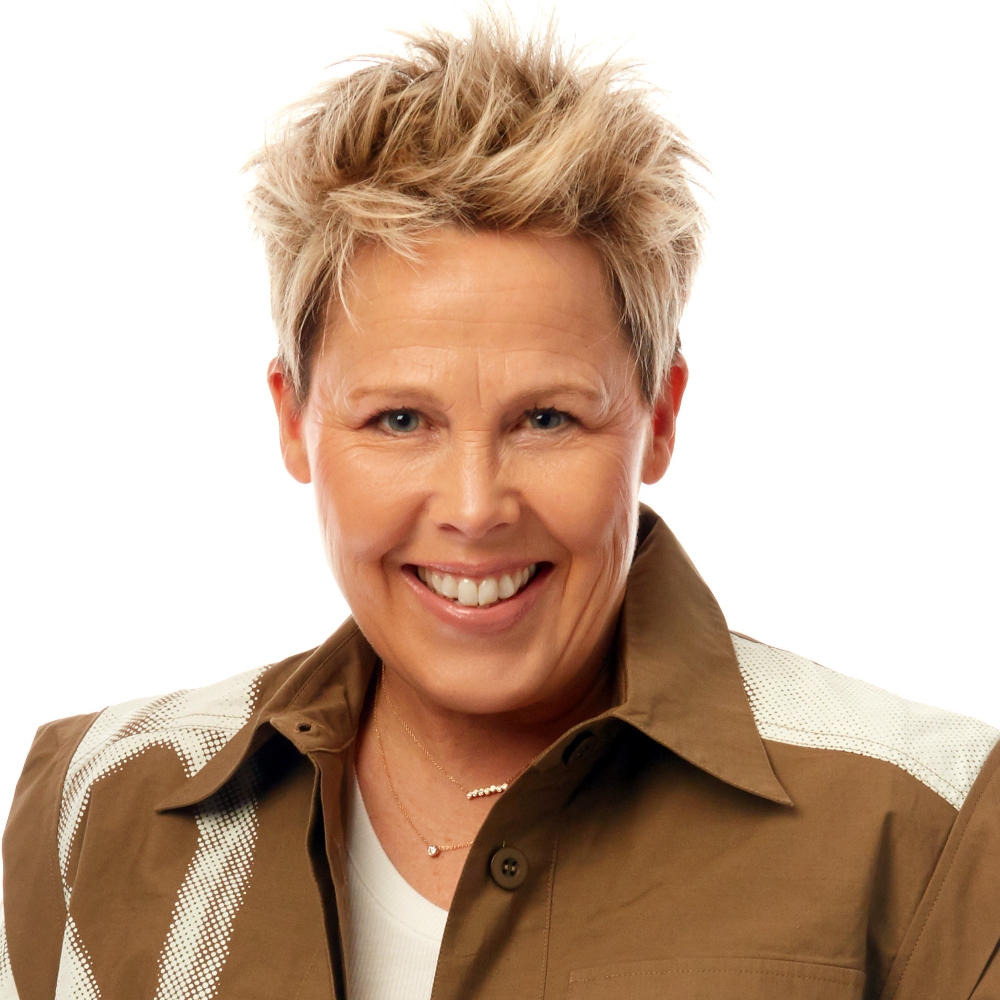
Dr. Fruehauf’s plenum presentation will focus on the core of all Chinese medicine endeavors-self-regulation of the body’s innate ability to rebalance and heal itself and how. Within this specific context, the prenatal concept of jing essence will be re-examined and thoroughly unpacked from a fresh perspective.

Course Participant Attestation

I understand that the information in this course presented by the Provider and/or Instructor(s) is for educational purposes only and should only be applied with appropriate clinical judgment and used by a trained and licensed practitioner. Governmental laws and regulations vary from region to region and the contents of this course vary in permissible usage. The participant is required to check their local, state, and federal laws and regulations regarding the practice requirements and scope of practice issues and the use of the information of this course including, but not limited to, theory, herbal medicine, and acupuncture. I acknowledge that NCBAHM does not endorse any specific treatment regimens of any kind. Furthermore, if I use any modalities or treatments taught in this course, I agree to waive, release, indemnify, discharge, and covenant not to sue NCBAHM from and against any liability, claims, demands, or causes of action whatsoever, arising out of any injury, loss, or damage that a person may sustain related to the use of the information in this course. I understand that this Release is governed by the laws of District of Columbia, U.S.A. and shall survive the termination or expiration of this course.

More on This Day

07:00 am - 08:00 am

CEU(s): 1

Qigong is a series of movements designed to cultivate and regulate Qi to support healing and resilience. Drawing from classical Chinese practices, participants will join together in community with veteran Pacific Symposium instructors by the ocean in qigong exercises that can lead to reduced stress, emotional balance, and increased energy.

Read More

09:00 am - 09:50 am

CEU(s): 1

Dr. Fruehauf’s plenum presentation will focus on the core of all Chinese medicine endeavors-self-regulation of the body’s innate ability to rebalance and heal itself and how. Within this specific context, the prenatal concept of jing essence will be re-examined and thoroughly unpacked from a fresh perspective.

Read More

10:00 am - 10:45 am

CEU(s): 1

Skeptics of acupuncture often argue that acupoints and channels are rooted in philosophical and metaphysical beliefs, which they claim are incompatible with modern science. Dr. Poney Chiang has spent the last 15 years interrogating what makes each acupoint unique as both a scientist and an acupuncturist, using peer-reviewed surgical publications, cadaver dissection, and electrical stimulation to characterize 415 acupoints. Chiang’s research illustrates the ways in which acupoints are associated with neurovascular bundles, with distinct attributes. These acupoints, once thought to be purely theoretical, align with contemporary anatomical and neurophysiological understanding. By examining the mapping of these points through a scientific lens, we can bridge the gap between traditional wisdom and modern medicine. Defining the distinct neuro-anatomical target for each acupoint permits prediction and confirmation of the unique deqi sensation for each point. Such precision empowers researchers to replicate scientific studies and clinicians to obtain consistent therapeutic results.

Read More

11:00 am - 12:00 pm

CEU(s): 1

Su Wen Chapter One, “Shang Gu Tian Zhen Lun” (上古天真论), lays the philosophical and physiological foundation of Chinese medicine. It explains why people in ancient times lived longer and healthier lives and why modern people often do not. Often referenced, whether knowingly or unknowingly, but not always fully understood, is the concept of women’s seven-year cycles, from the onset of the flourishing of qi at seven years old to menopause and the cessation of fertility at forty-nine. What nourishing life practices are best matched to the beginning of decline of the yang ming at thirty-five, as opposed to the weakening beginning at age forty-two? Attention to these practices can result in a smoother and easier progression into the end of fertility and the flourishing that can ensue at forty-nine. This course spans the space between the classical texts and the modern clinic by focusing on how the principles of Su Wen Chapter 1 inform diagnosis and treatment. Topics include kidney jing assessment, the interpretation of seven- and eight-year cycles, and the differentiation of natural versus premature aging. Practitioners will develop strategies for treating fatigue, infertility, hormonal transitions, and chronic degeneration using acupuncture and lifestyle guidance grounded in classical theory.

Read More

12:10 pm - 1:10 pm

CEU(s): 1

Qigong is a series of movements designed to cultivate and regulate Qi to support healing and resilience. Drawing from classical Chinese practices, participants will join together in community with veteran Pacific Symposium instructors by the ocean in qigong exercises that can lead to reduced stress, emotional balance, and increased energy.

Read More

2:00 pm - 5:00 pm

CEU(s): 3

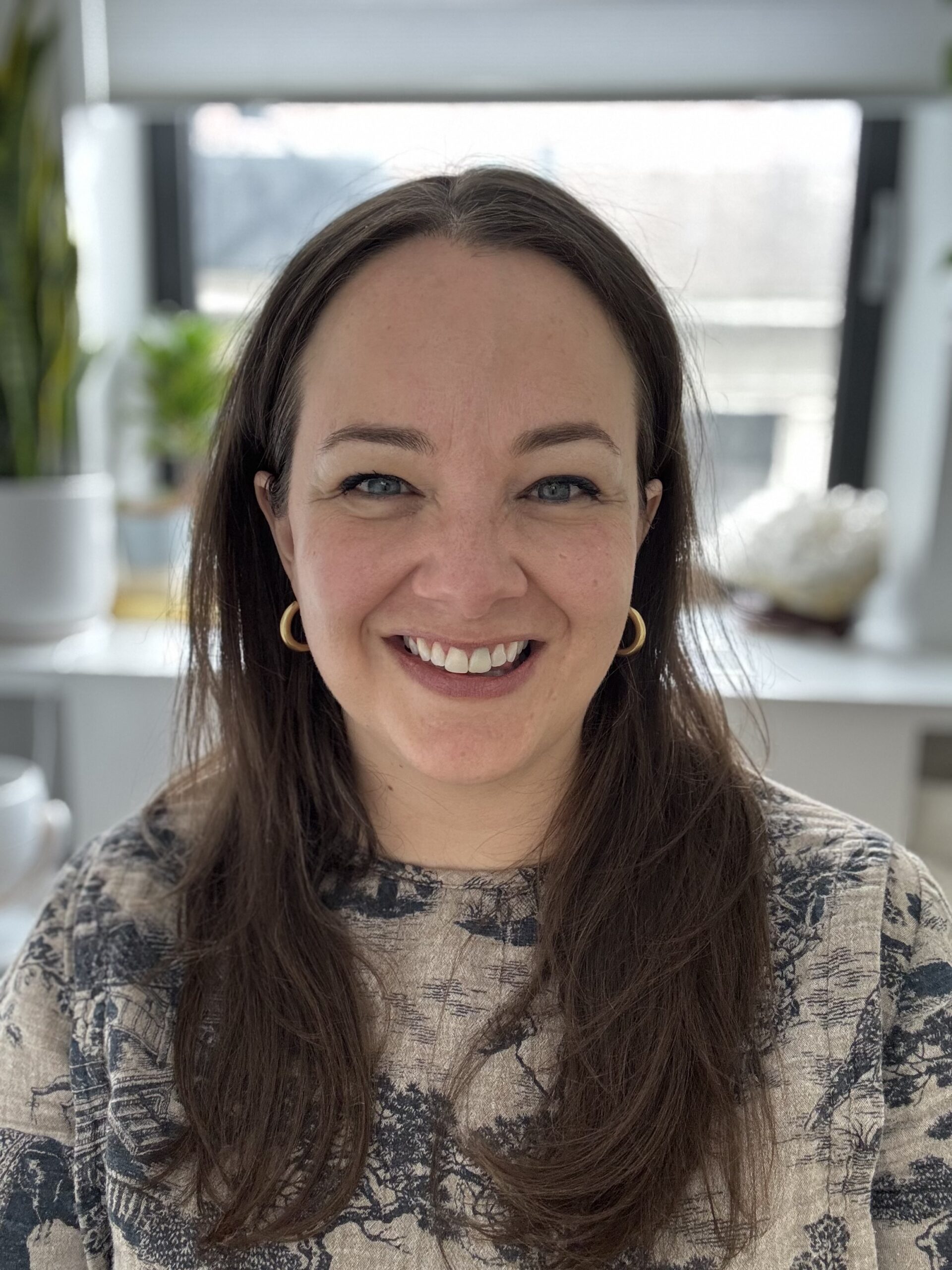
What do acupuncturists need to know to safely and effectively incorporate acupuncture into an integrative oncology treatment plan? In this presentation, Dr. Lorbeck will outline key clinical considerations that support both patient safety and optimal outcomes. She will discuss essential cautions, contraindications, and evidence-informed treatment strategies, emphasizing how acupuncture protocols must adapt to the type of cancer, individual patient factors, and concurrent medical treatments. These considerations influence every stage of care, from intake and treatment planning to follow-up and ongoing patient management. The session will also address the complex emotional landscape that accompanies cancer care for patients, families, and practitioners. Participants will explore how to maintain therapeutic warmth and connection while staying within professional scope of practice, including when and how to collaborate with other supportive care providers such as oncology massage therapists and psycho-oncology specialists. Angela Lorbeck, L.Ac., DACM, will share clinical insights and practical guidelines for Integrative Oncology Acupuncture drawn from decades of experience in the field. She has served as Manager of Supportive Oncology as well as serving as a Chinese Medicine Practitioner at Rush University Medical Center in Chicago, with an appointment as Assistant Professor.

Read More

2:00 pm - 5:00 pm

CEU(s): 3

According to Ling Shu Chapter 75, "one who uses needles must first examine the repletion and vacuity of Jing Luo, palpate and follow it, press and pluck it, observe its responsive movement, then obtain it and come down on it".  This passage is the origin behind the popular notion that palpation is the single most important assessment for acupuncturists. Unfortunately, little training is devoted to developing Jing Luo palpation within the standard curriculum. The instructor will cite evidence from the Ling Shu to demonstrate that channel plucking is in fact neurovascular bundle palpation. Attendees will be able to palpate the physical (not just energetic) existence of channels in this workshop. In Chinese medicine education, our mentors emphasize the importance of intentionality and deqi sensation in achieving therapeutic results. Generally, students learn that deqi sensation is a dull feeling experienced by the patient and a grasping feeling perceived by the practitioner. Dr. Chiang will demonstrate how each acupoint requires its own specific intention which emits a specific deqi sensation unique to that acupoint alone. The intention lies in having knowledge of the unique neuro-anatomical target specific to each acupoint. This understanding allows one to predict and confirm unique deqi sensation based on specific paresthesia and/or motor activation that is reproducible from patient to patient. This introductory workshop will help you grasp the seamless relationship between channel pathways, the peripheral nervous system, needle intention, and deqi sensation.

Read More

2:00 pm - 5:00 pm

CEU(s): 3

Dr. Fruehauf’s afternoon seminar will focus on the definition and role of the phase element Water in Chinese medicine. What are the hidden dimensions of the “Water" in the context of both Chinese culture and medicine? What are the different energetic qualities of nature’s myriad water sources? And within the microcosm of the human body, what are the different organ systems involved in the metabolism, purification and storage of internal “Water,” and how can this understanding inform treatment?

Read More

2:00 pm - 5:00 pm

CEU(s): 3

This course offers a deep clinical and theoretical exploration of the peri-menopausal transition, examining not only the decline of estrogen and kidney yin but also the fluctuating surges of LH and FSH and the critical role of the liver in regulating these changes. We will explore how these biomedical and traditional frameworks intersect, informing more precise diagnosis and treatment. Participants will examine the role of hormone replacement therapy (HRT), including how to effectively support patients whether they choose to use HRT or not. Special focus will be given to disharmonies of the Chong channel and strategies to harmonize hormones and internal systems during this transition. Beyond symptom management, this course reframes peri-menopause as a meaningful physiological and psychological threshold—a portal that influences long-term health and vitality. In contrast to the prevailing cultural emphasis on productivity and constant output (yang) during the prime of life, with all the hustle and things we are encouraged to do to improve women’s health outcomes, we will explore the importance of engaging yin processes of restoration, introspection, and even entering the darkness that can lead to beneficial transformation for healthy long-term outcomes. Integrating classical theory, modern endocrinology, and clinical application, practitioners will leave with practical tools for treatment planning, point selection, and patient guidance. We will also consider the broader developmental context of this life stage, including the evolutionary role of the grandmother/elder as a carrier of wisdom, culture, and continuity, both in our mentors and in our own coming to wisdom, and how this perspective can inform and deepen clinical care.
Read More

2:00 pm - 5:00 pm

CEU(s): 3

TCM Lymphatic Drainage techniques focusing on appearance enhancement of the face and body can improve circulation and reshape the body post-partum and otherwise. Discover the relationship between TCM and Lymphatic Drainage. Demonstration of tools and techniques like GuaSha, cupping, and more for lymphatic drainage will be explored.

Read More
0
    0
    Your Cart
    Your cart is emptyReturn to Shop